The Video Podcast and the New Media Landscape
Written by Kieron Seth, Product Marketing Director at Lumens
September 04, 2026 1538
▶ 1. The Podcast Explosion
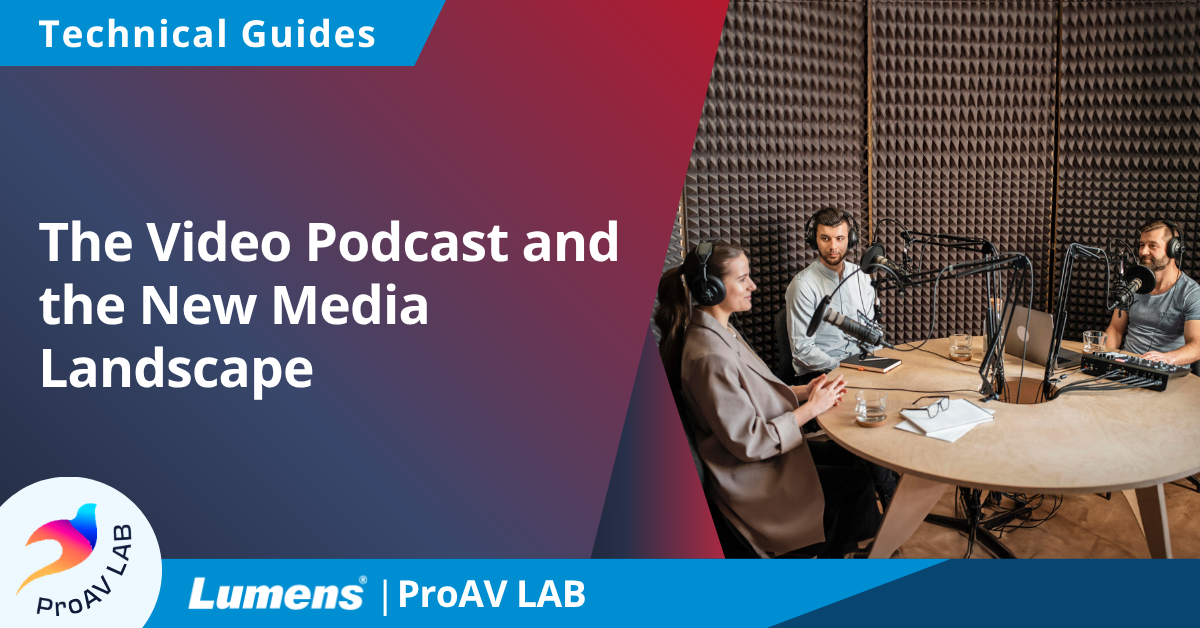
Edison Research estimates that over 770 million hours of video podcasts are consumed weekly in the USA. This represents a 350% increase in a decade. Edison also notes that more than half of Americans aged 12+ have watched a video podcast and that video podcast audiences tend to be younger and more diverse than audio-only podcast audiences. Podcasts are an essential and convenient way of communicating with both existing and new audiences.
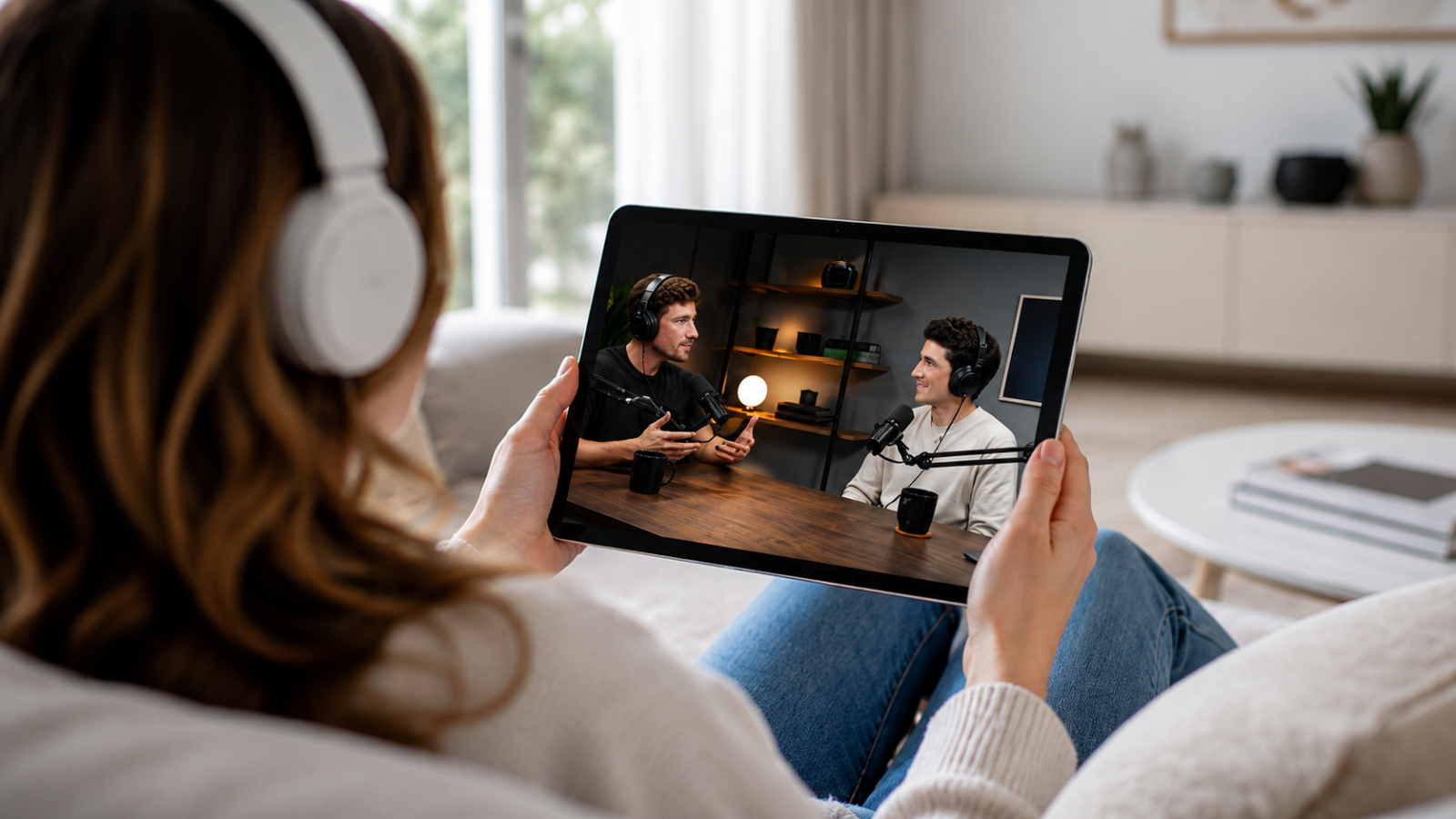
Podcasts such as The Joe Rogan Experience and Club Shay Shay with millions of subscribers each far outstrip many traditional media outlets in terms of followers. With audiences and revenues continuing to grow, podcasters are investigating new ways to create live and recorded content that can help them compete for viewers.
▶2. Keeping Eyes on the Screen
Many of today's biggest podcasts operate as full-scale media organizations. As The Podcast Consultant explains; " Multi-camera offers more variety and higher production value. By purchasing multiple cameras and managing a more complex editing process, you get a higher-quality product with more dynamic shots.”
The experts at BHPhotoVideo.com agree: " While many video podcasts might start off only utilizing one camera, adding more typically becomes the first upgrade that creators make as they build out their shows. Having multiple angles to cut between makes the final podcast more engaging to watch and can often produce high-quality close-ups that help viewers really connect with your talent. But with more cameras comes more responsibility.”
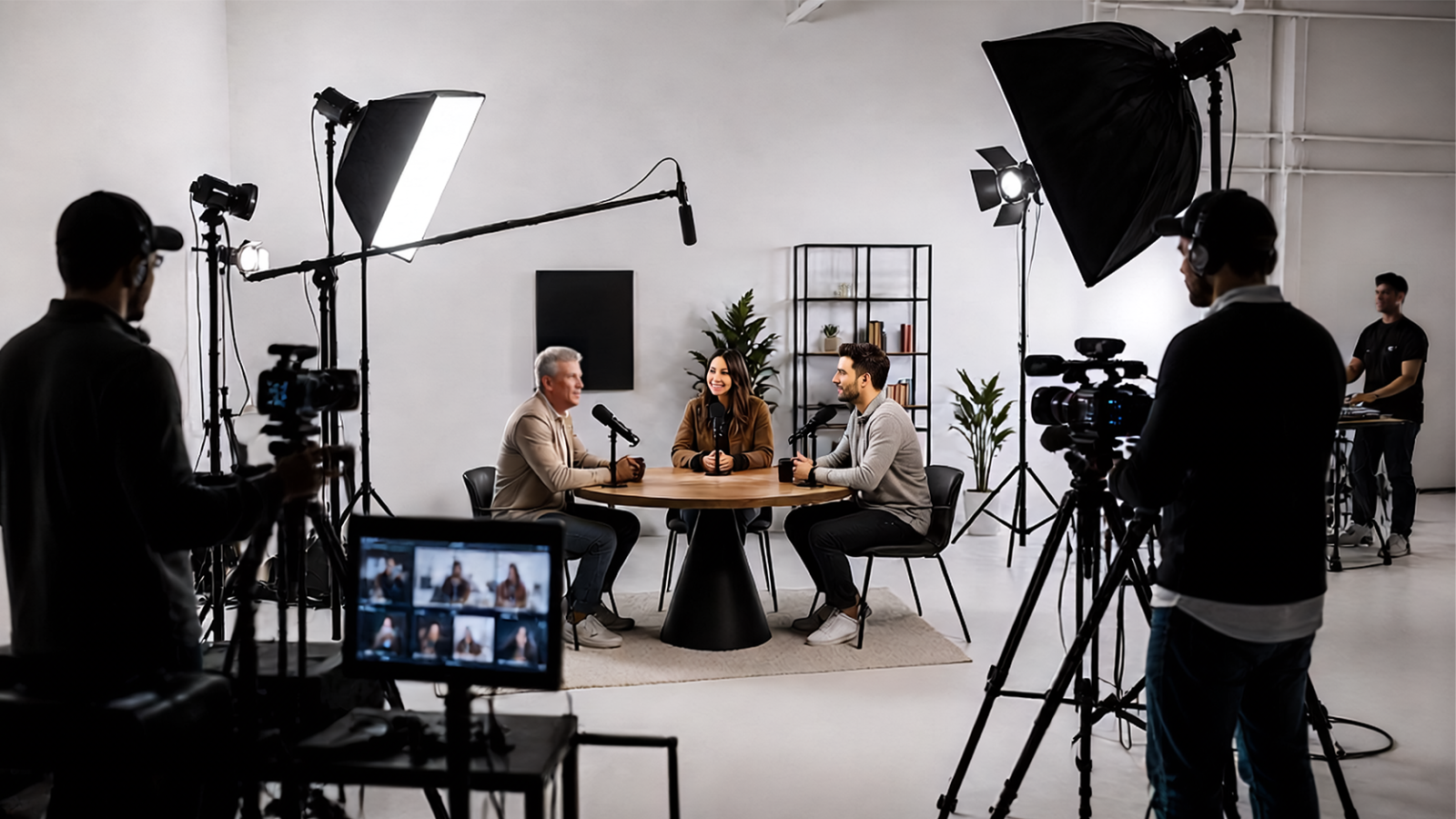
The price to pay for this kind of production is felt in the edit suite, with many hours of cutting required to create the finished content. This is within reach of full-time podcasters backed by a production crew. For everyone else, it’s time for a different approach.
▶ 3. The Live Edit
For many, producing a show like a live TV broadcast accelerates the For many, producing a show like a live TV broadcast accelerates the production process. Unfortunately, many of the same obstacles remain – the need for a camera crew and a professional producer keeps costs relatively high.
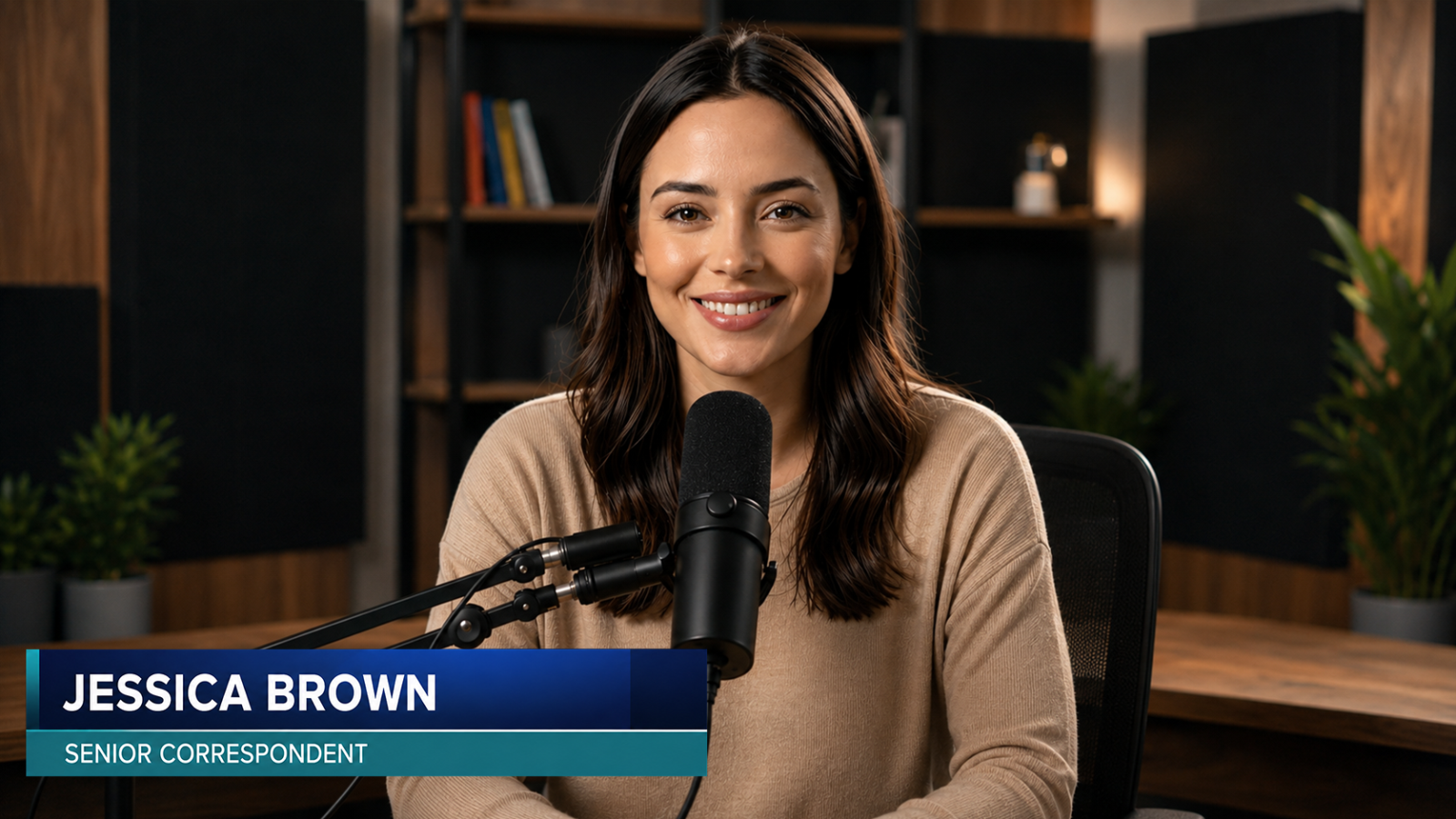
Today's media processors and camera systems are designed to produce high quality, branded video with no need for post-event editing, and minimize the crew required to operate in a live environment. They feature system control and production switching that can be managed by the presenters themselves, eliminating the cost of a technical producer or the need for completing a multi-camera edit.
▶ 5. Recording and Streaming
Today's AV systems are increasingly all-IP – meaning that everything is installed and operated on the local area network. To make this work, cameras, microphones, processors and AI equipment are all able to handle encoded audio and video streams that run over network cables, as opposed to relying on expensive audio and video wiring.
These AV streams are not only optimized for transport across the local network, but they are also easy to capture onto hard drives and transferred to shared or cloud storage. They are ideal for streaming to displays connected to the network, and to external audiences using Vimeo, YouTube, Twitch or social media networks. With AV audio and video formats, recording the webinar locally (as well as capturing each camera separately if required) is easy and does not demand Terabytes of expensive racks of storage, unlike with many traditional cine cameras.
▶ 6. Camera Automation
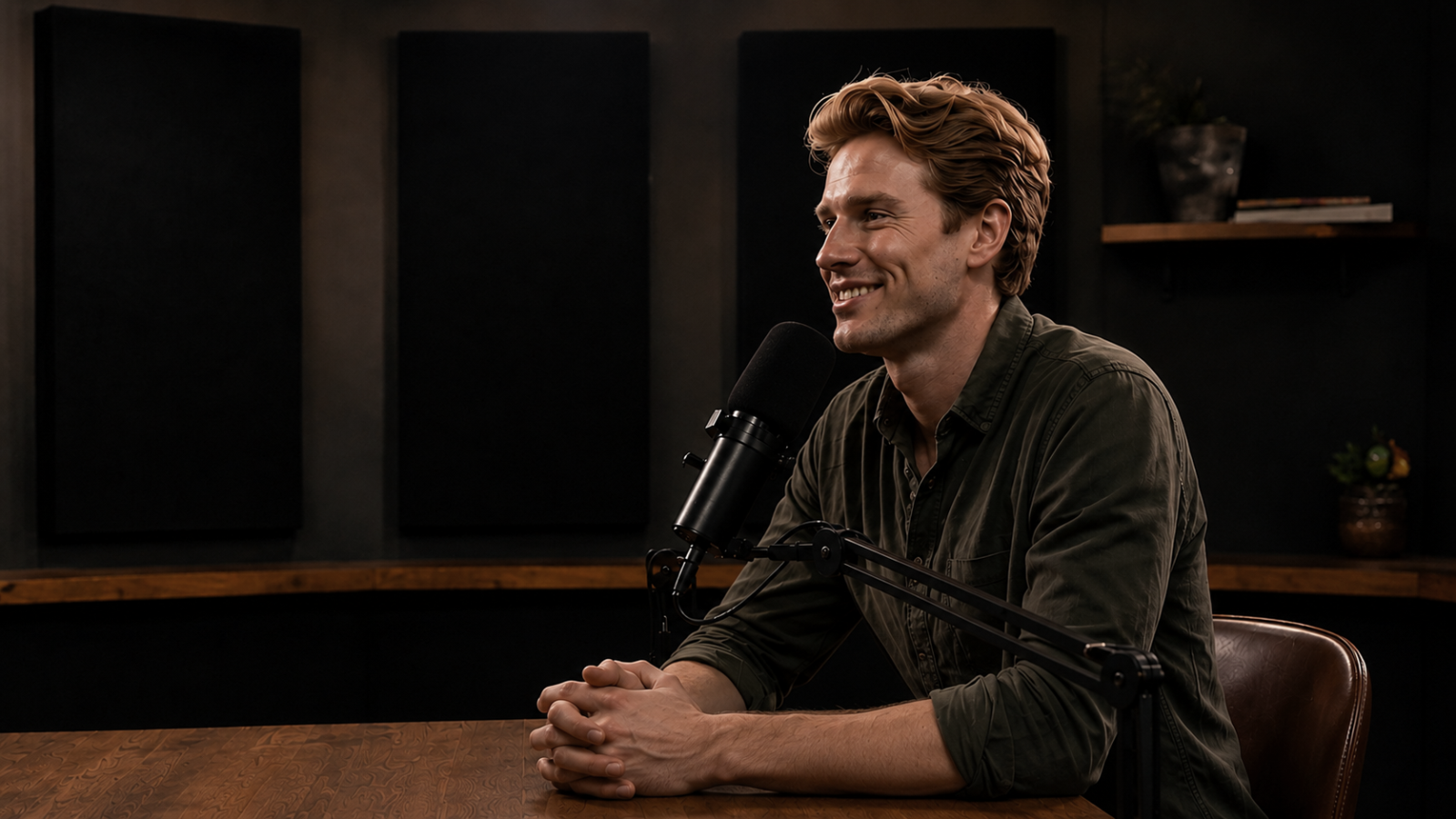
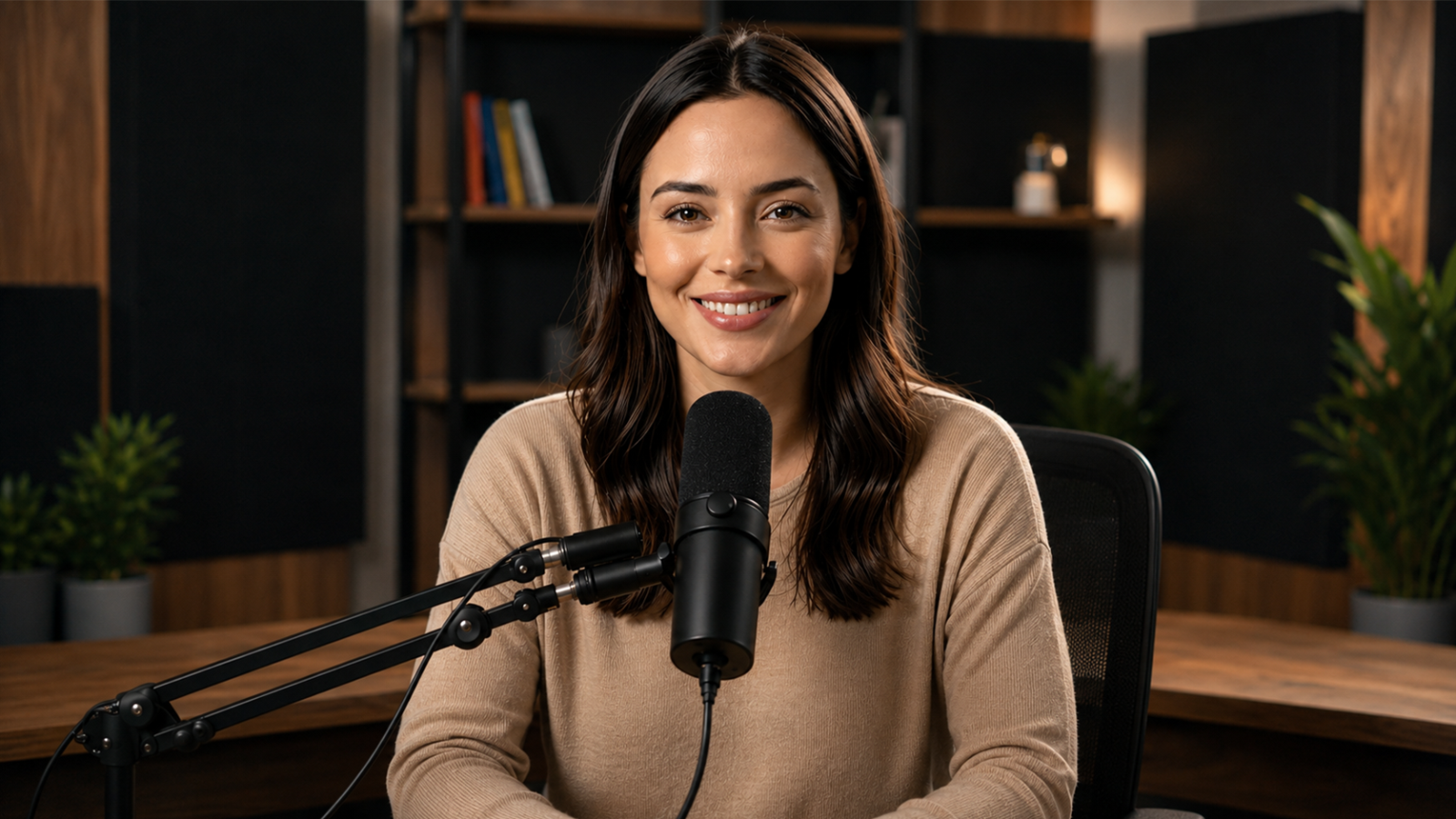
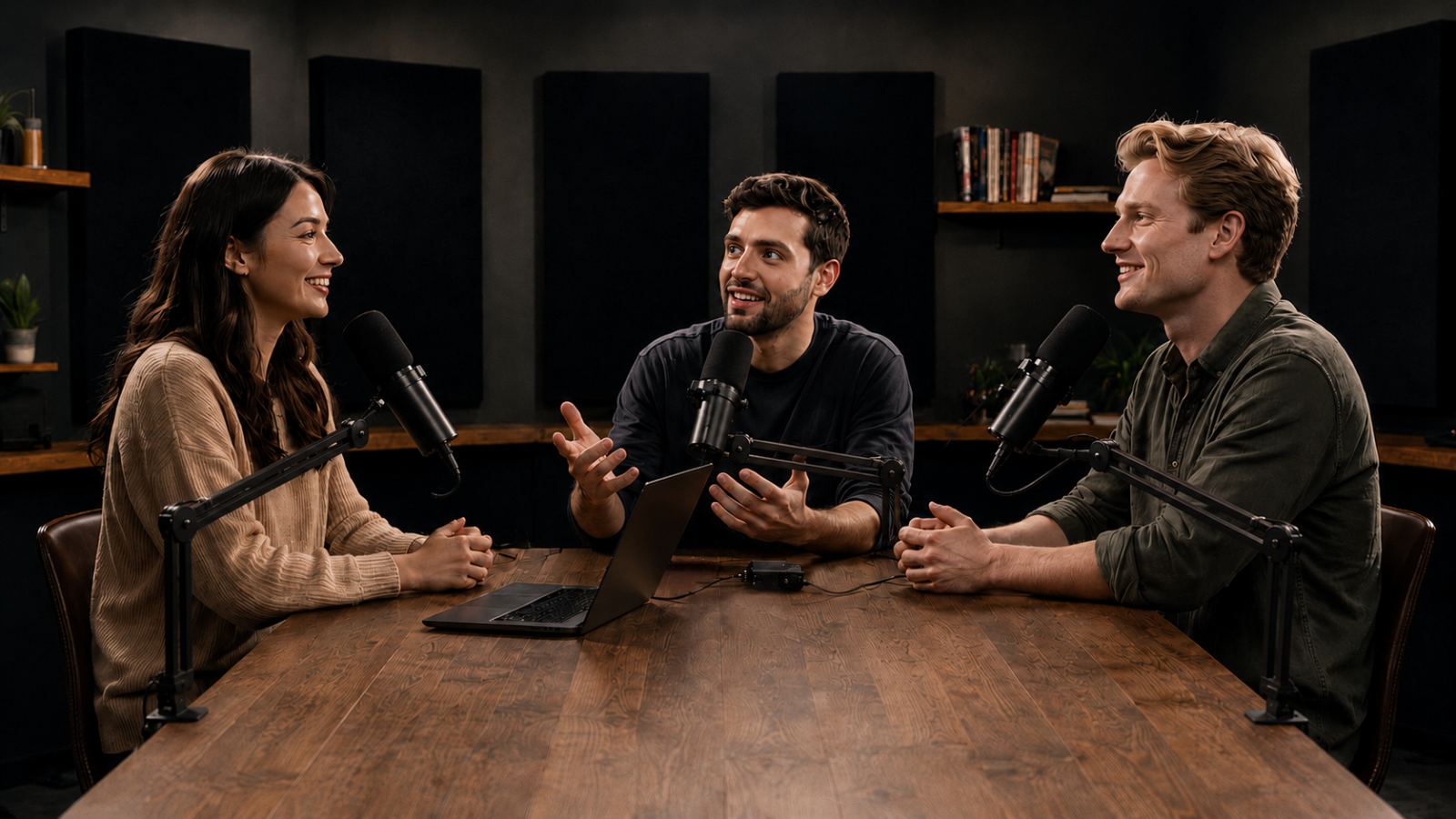
A significant cost still remains, however – the camera crew. At the heart of new generation systems are automated multi-angle camera systems that auto-frame presenters and autonomously switch to track a discussion between two or more hosts and guests. This is achieved using microphone technology that identifies the position of a voice in a room. With multiple cameras installed in the space, AI is employed to automatically switch to the best angle. It’s the equivalent of creating a studio TV show without a crew.
▶ 7. Tools and Technologies
Where can this equipment be sourced?
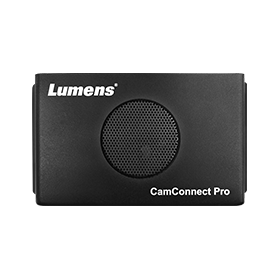
Lumens partners with many microphone manufacturers including Audio-Technica, Nureva, Sennheiser, Shure, Televic and Yamaha to deliver fully integrated Dante-ready video podcasting systems. These are pre-configured for voice tracking and automated camera switching with Lumens CamConnect which can be configured to both focus tight on a presenter during a monolog or to frame the group during an interactive moment.
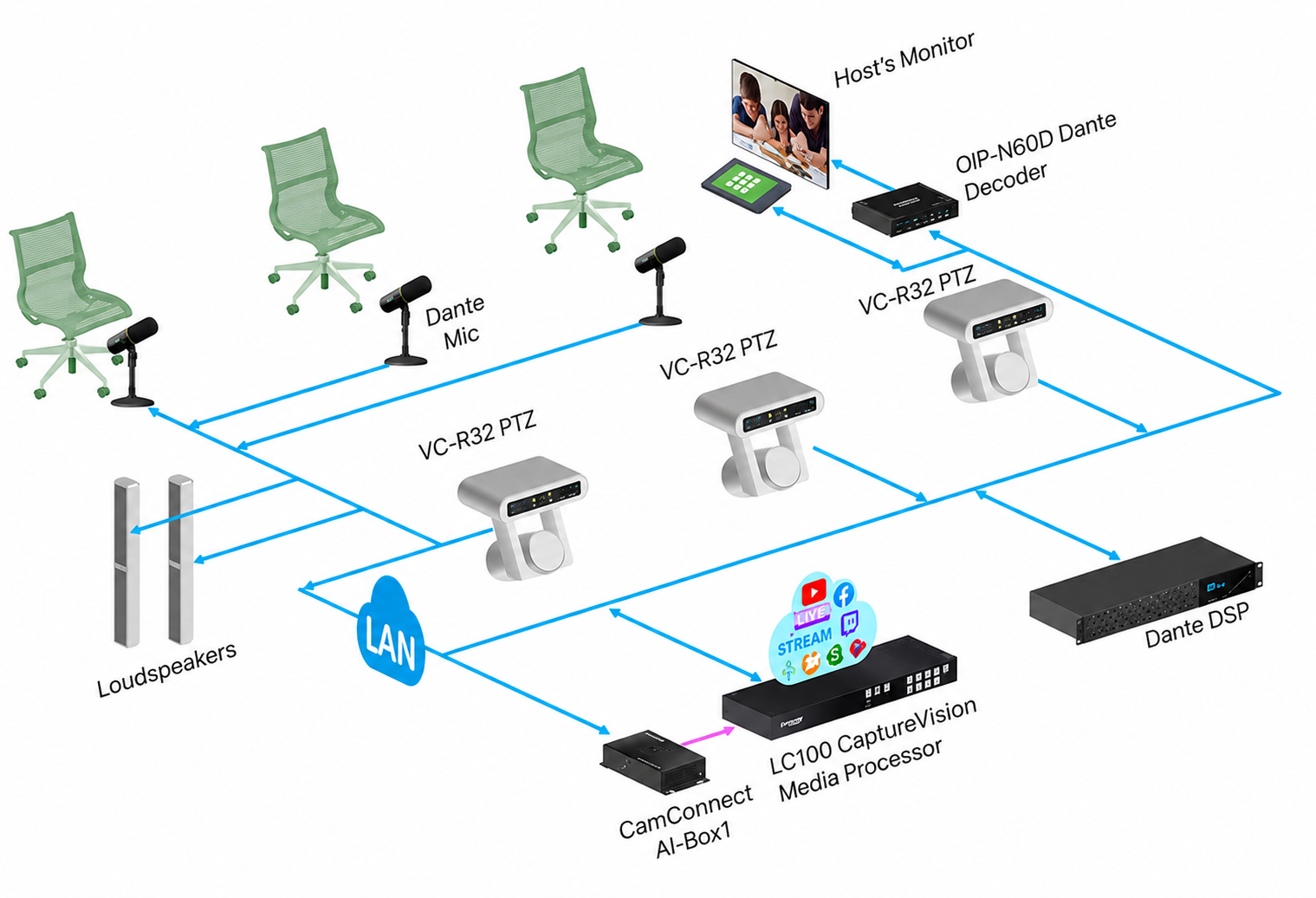
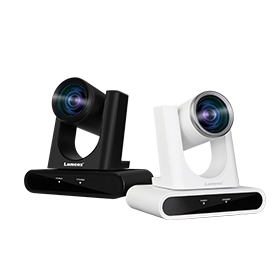
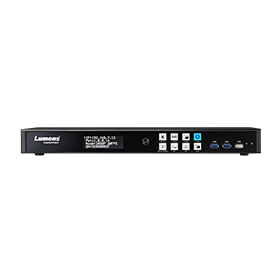
Installations as highlighted in this diagram can use any of Lumens' IP cameras, with optical zoom lenses ranging from 12x to 30x for the ultimate in video quality and shooting flexibility. Recording, streaming, logo and graphics insertion is handled by the CaptureVision system which is easily controlled using an iPad, hardware controller or laptop connected to the network.
▶ 8. Conclusion
Video podcasting has evolved from a niche format into a mainstream media channel, attracting larger, younger and more diverse audiences than ever before. As creators and organizations compete for attention, production quality can play a significant role in viewer engagement. However, traditional multi-camera workflows often demand the time, expertise and budget of a dedicated production team.
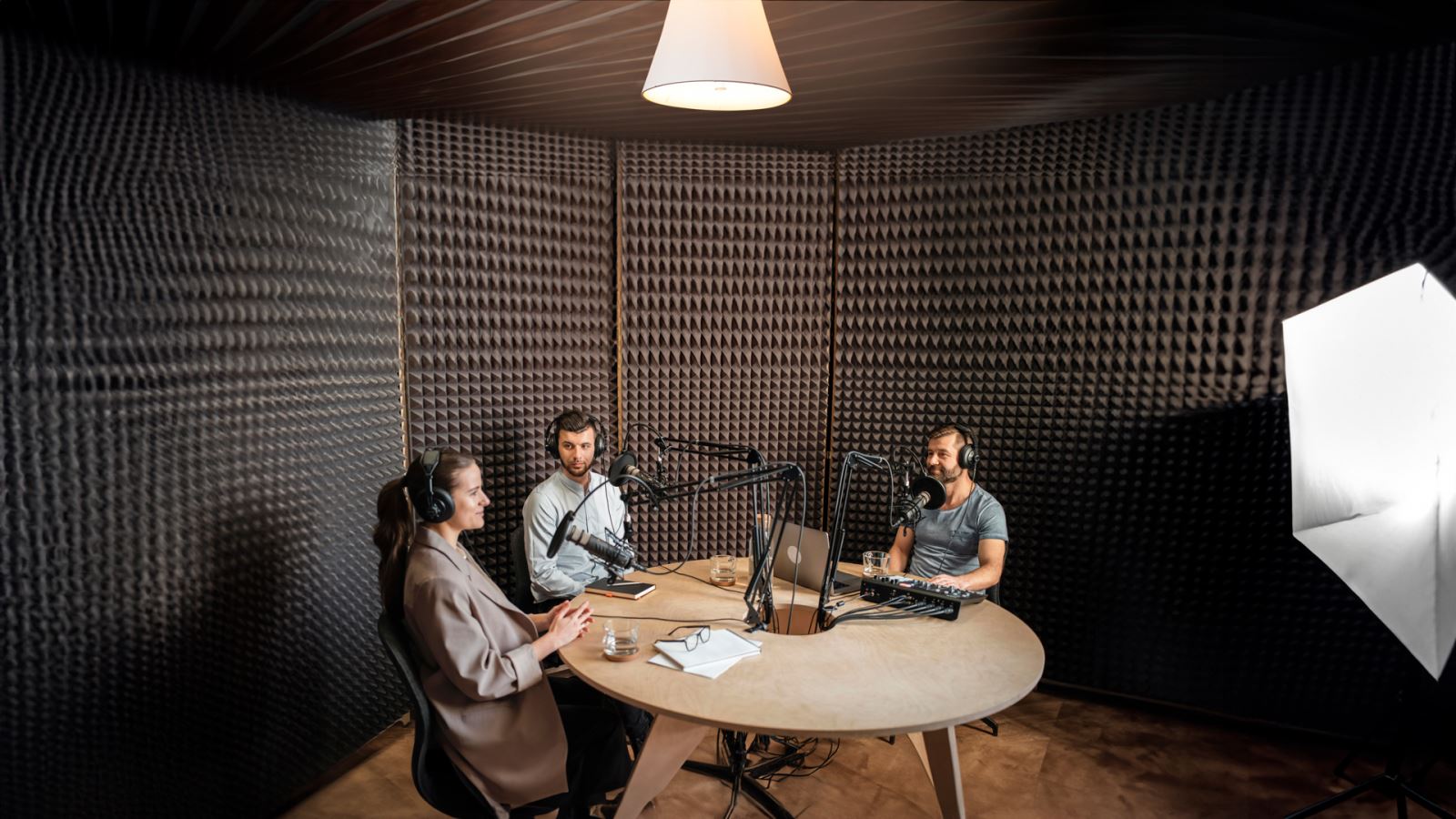
By combining IP-based AV technology, integrated recording and streaming, automated camera tracking and intelligent production switching, content creators can now achieve professional, broadcast-style results without the complexity of conventional studio operations. What once required a crew of operators and hours of post-production can increasingly be accomplished in real time by a small team, or even by the presenters themselves.
As the demand for video content continues to grow, these technologies are helping organizations, educators, businesses and podcasters produce compelling, branded content more efficiently than ever before. The future of podcast production is not simply higher quality, it's smarter, more automated and accessible to a much wider range of creators.
Click here Back to Top ↑